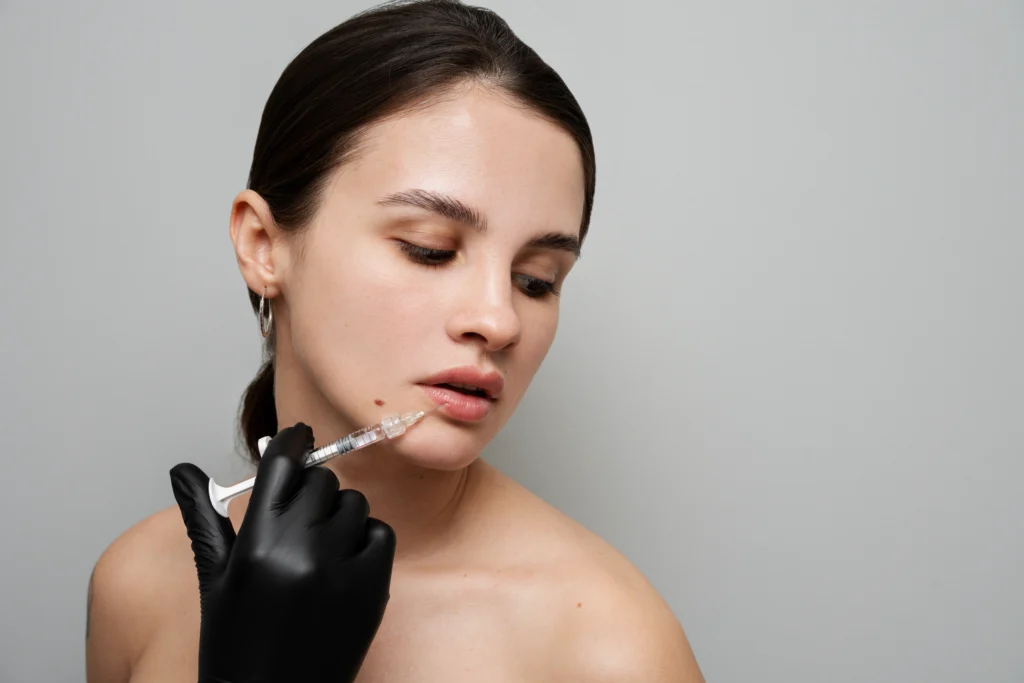
Expert Fillers Treatments Surgery.
Dermal Fillers are non-surgical cosmetic treatments used to restore lost volume, smooth wrinkles, and enhance facial contours. These injectable treatments are commonly used for areas like lips, cheeks, jawline, and under-eye hollows to achieve a more youthful and refreshed look.
Fillers are made from safe, biocompatible substances such as hyaluronic acid, which naturally occurs in the body. The treatment delivers instant results with minimal downtime, making it a popular choice for facial enhancement without surgery.
With advanced techniques, dermal fillers provide natural-looking and long-lasting improvements tailored to individual facial features.
You may be an ideal candidate if you:
Have fine lines and wrinkles
Experience volume loss in cheeks or face
Want lip enhancement or contouring
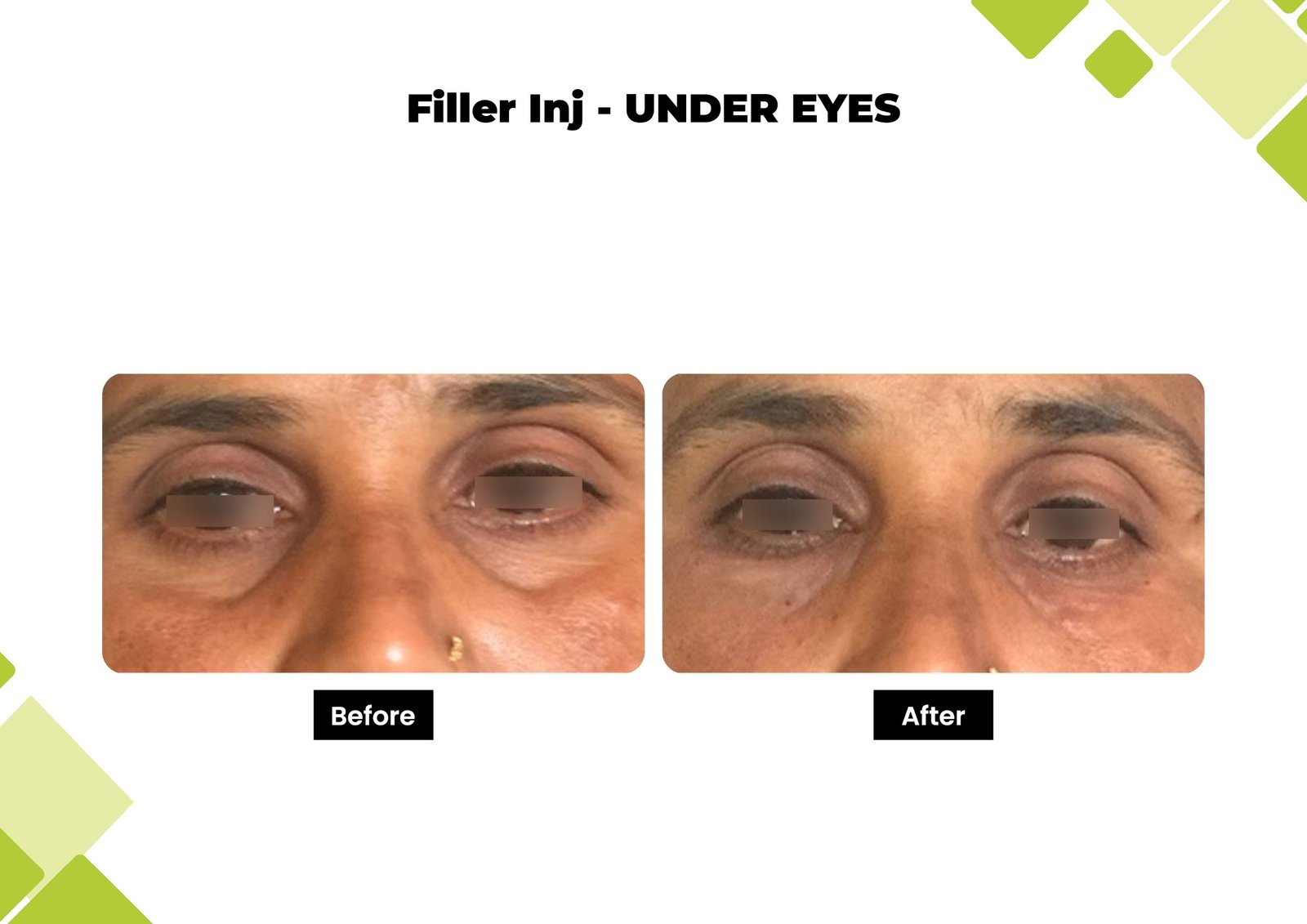
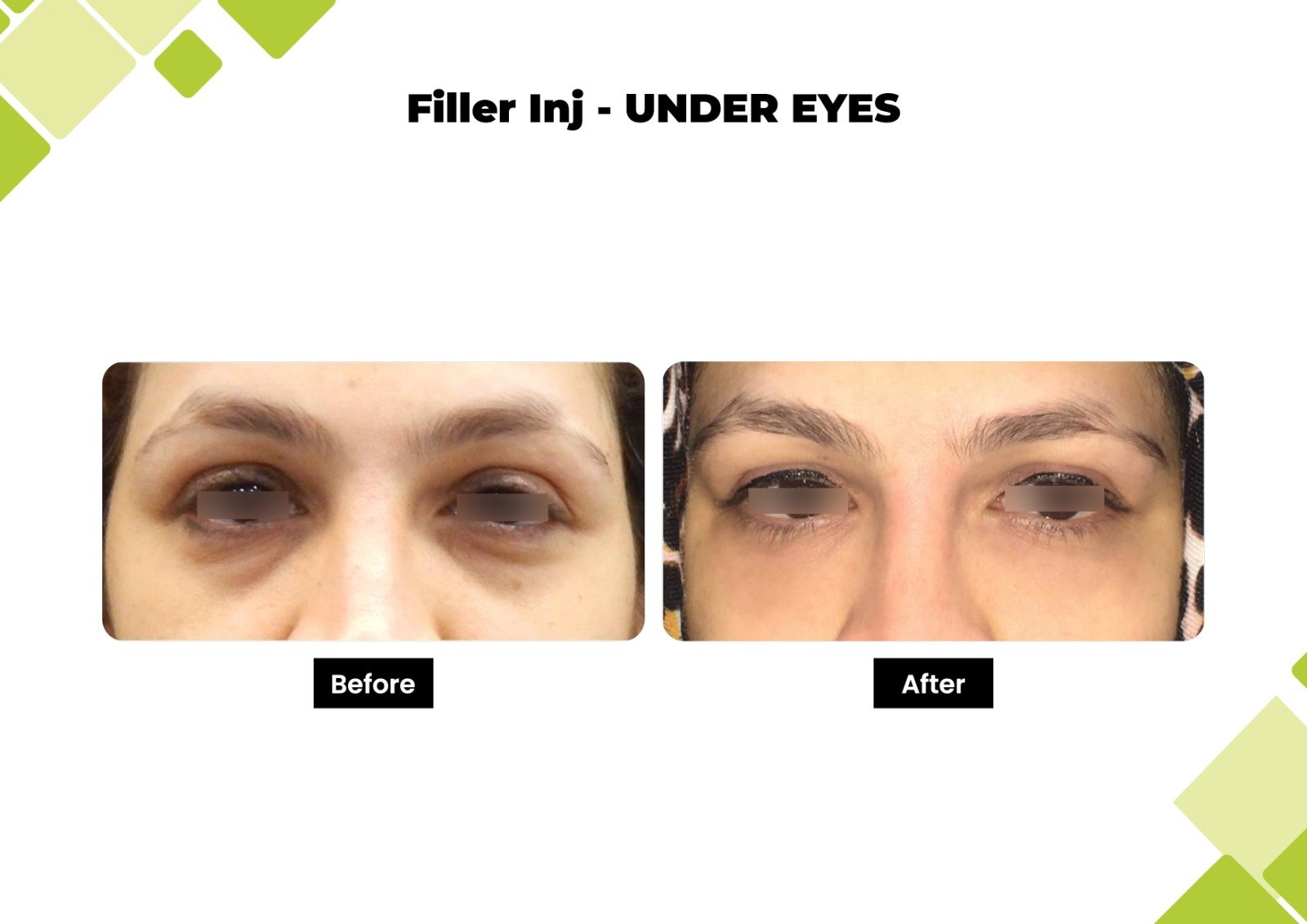
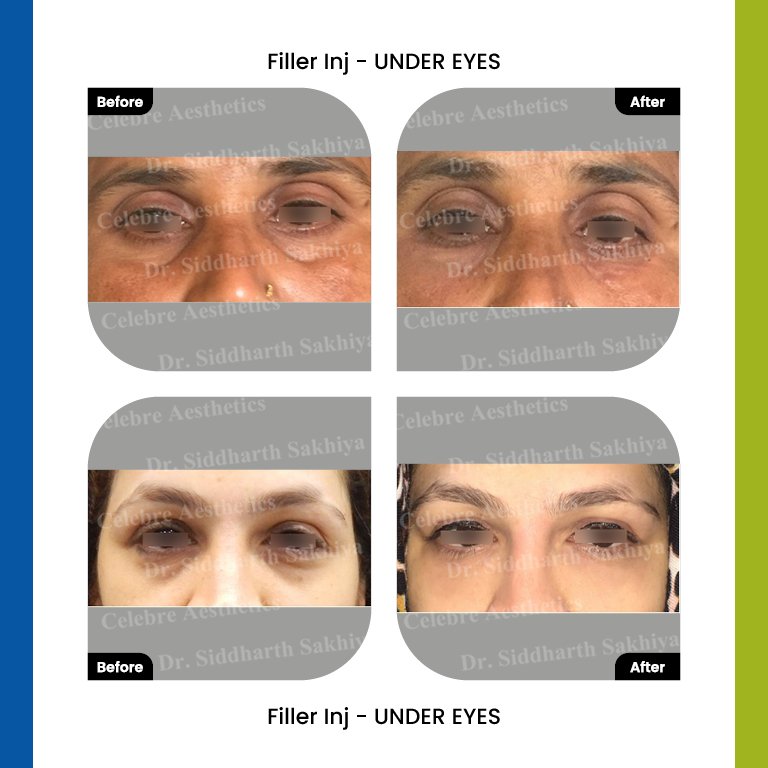
Have under-eye hollowness or dark circles
Desire a non-surgical facial enhancement
Are in good overall health
Have realistic expectations about the results
A consultation helps determine the right type and amount of filler for your needs.
Step-by-step process:
Consultation and Facial Assessment
The specialist evaluates your facial structure and discusses goals.
Treatment Planning
Suitable filler type and injection areas are selected.
Preparation
The treatment area is cleansed, and numbing cream may be applied.
Injection Process
Fillers are carefully injected into targeted areas using fine needles or cannulas.
Post-Treatment Care
Mild massage and aftercare instructions are provided.
Instant results with minimal downtime
Reduces wrinkles and fine lines
Restores facial volume and fullness
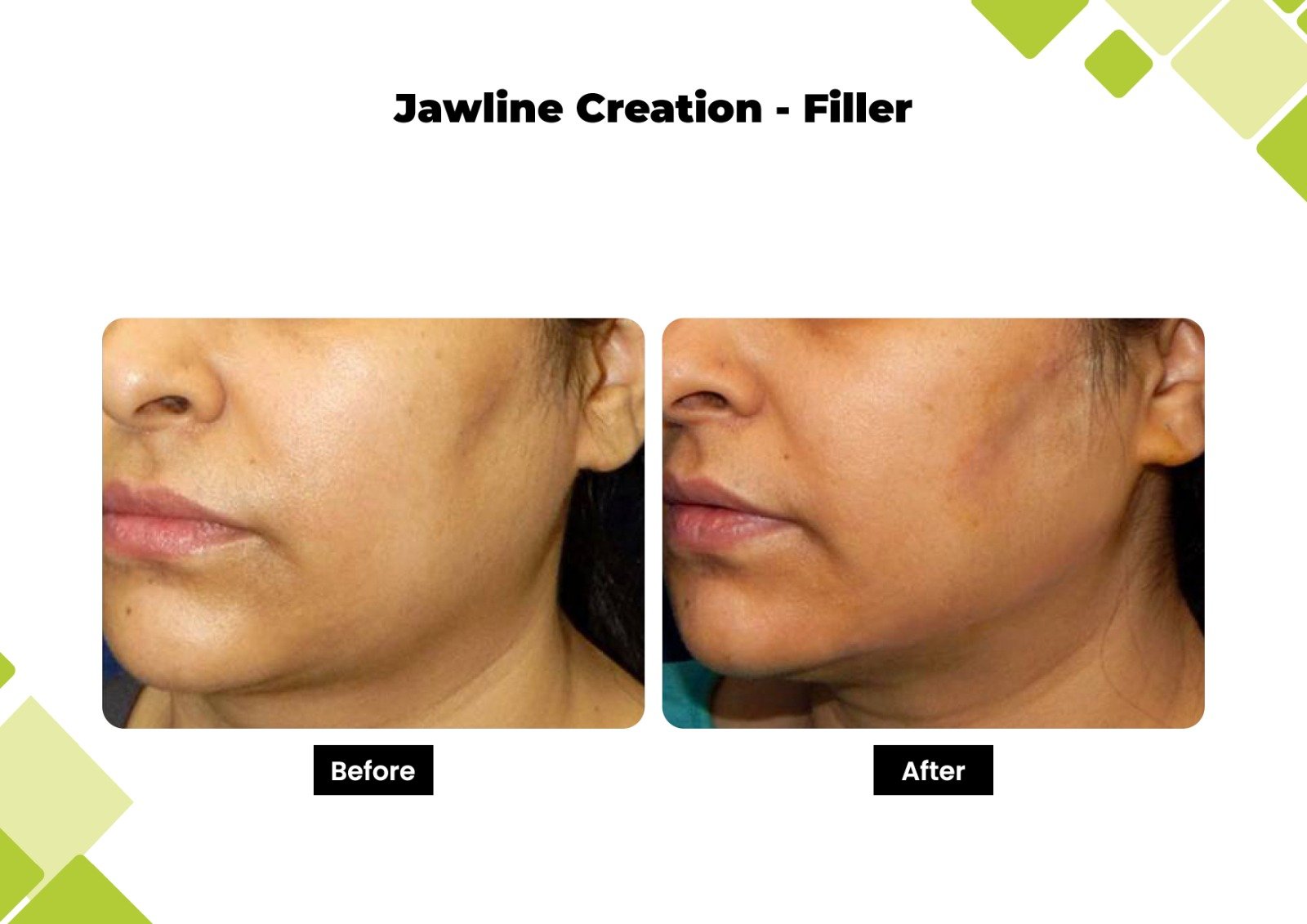
Enhances lips, cheeks, and jawline
Non-surgical and quick procedure
Natural-looking outcomes
Boosts confidence and appearance
Before undergoing dermal fillers treatment, you should:
Avoid alcohol and smoking 24–48 hours before treatment
Stop blood-thinning medications (if advised by your doctor)
Inform your specialist about any allergies or medical history
Avoid skin treatments or facials before the procedure
Keep your skin clean and hydrated
Follow all pre-treatment instructions given by your expert
Following these steps reduces the risk of bruising and enhances results.
Experienced Surgeon
Use of premium, safe, and approved filler products
Personalized treatment plans for natural results
Advanced techniques for minimal discomfort
Hygienic and patient-friendly environment
Focus on subtle, balanced, and long-lasting enhancements
Dermal Fillers are recommended for:
Injectable filler is utilized to enhance the facial profile, making it appear more youthful and attractive. By injecting filler materials beneath the skin, deep folds like nasolabial folds (often referred to as “bracket lines” extending from the corner of the nose to the corner of the mouth) can be filled in. This procedure can also create fuller lips, pad out hollow cheeks, and rejuvenate the eyes. While collagen was once the standard filler, hyaluronic acid has become more popular in recent times.
As we age, the body’s reduced capacity to produce collagen and elastin can lead to sagging and wrinkles in specific facial regions, resulting in volume loss.
Unlike wrinkles, which benefit from muscle relaxants to reduce their appearance, facial volume and folds necessitate the use of fillers to replenish and hydrate the affected areas.
Hyaluronic gel is the key component of these fillers, capable of restoring fullness and volume to various facial areas.
Fillers made of Hyaluronic acid typically last six to 12 months, while Synthetic fillers like Radiesse can last 12 to 18 months.
Fat transfers, a procedure involving the extraction of your body fat from another area, its processing, and subsequent injection into your face, may sometimes provide results that last several years. However, there is a possibility that the transferred fat may not persist and could be reabsorbed by the body.
The filler injections may cause some discomfort, and the level of pain experienced can vary from one patient to another and depends on the injection site. In areas like the nasolabial folds, there might be a temporary, mild burning sensation.
For lip injections, anesthetics are typically administered because the injections can induce a burning and stinging sensation that most people find intolerable.